 |
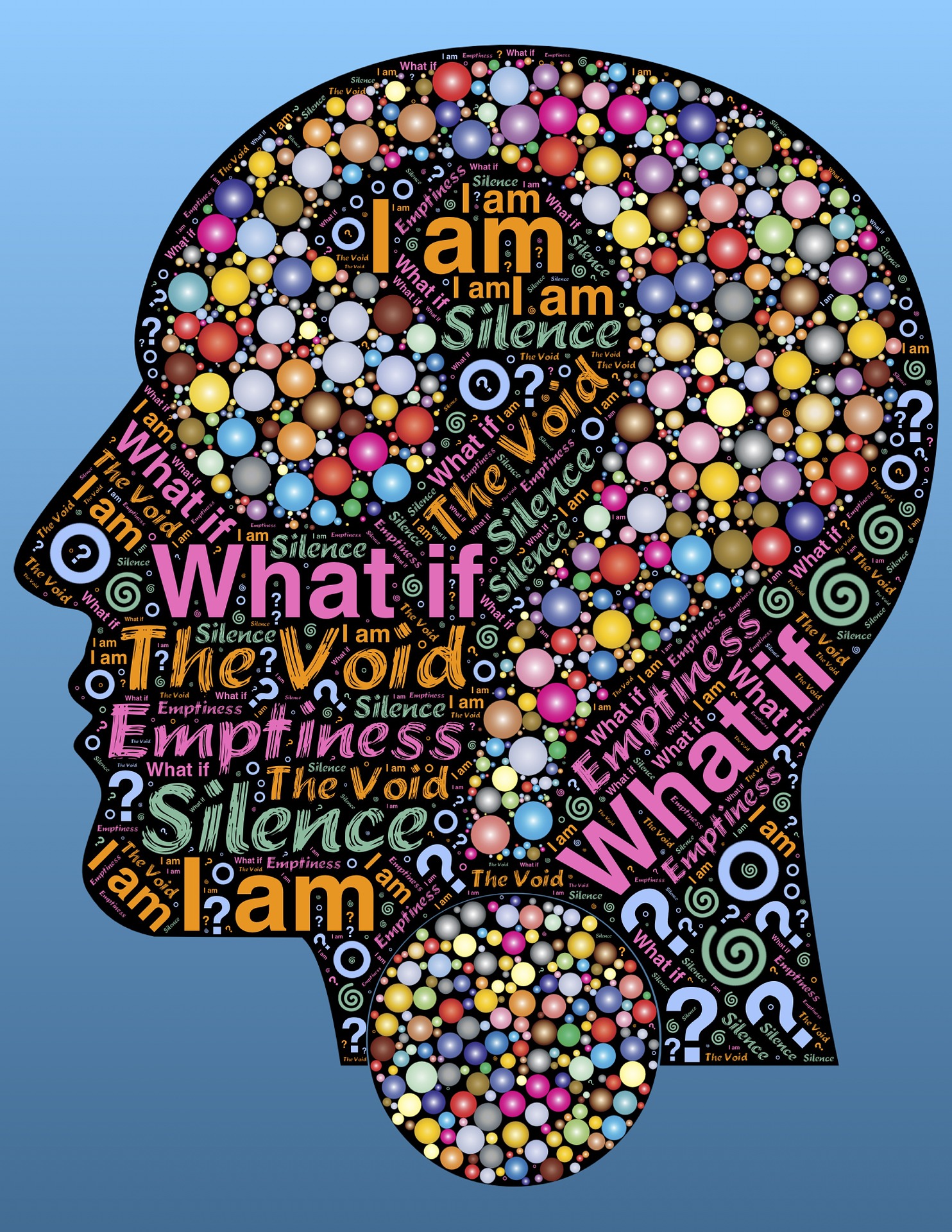
| Photo Credit: Brainblogger.com |
- Psychology is easy.
- Psychologist just get paid to listen to people talk.
- Psychology is not a real science.
- Psychologists can read minds.
- Psychology is just common sense.
Even though I know all of these misconceptions are entirely not true, at one point I have considered some of them. After taking multiple psych courses in high school and now college, I can truthfully admit I was wrong about all of the misconceptions I once had. My Intro to Psych 101 book, "Psychological Science" can prove some of these misconceptions as false statements.
1. "Psychology is easy."
Many people believe psychology will be interesting and a breeze so they should take psychology courses to just get the A. This is not true. Psychology is more than just learning about personality and brain development, etc - there are many statistics and research based papers involved. It is not all about remembering theories and terms, it is also conducting your own research based paper, doing math, writing statistics and much more. You must use critical thinking in the field of psychology. The book states that, "Being a critical thinker involves looking for holes in evidence, using logic and reasoning to see whether the information makes sense, and considering the alternative explanations." None of which is easy, but it can be done!
2. "Psychologist just get paid to listen to people talk."
People who know nothing about psychology think that psychologists get paid to sit in a room all day and listen to patients tell their life stories. This is another false belief. Although psychologist can be paid to listen to people, it can be more than that. The book writes that psychological knowledge is used in many professions, "Psychological knowledge include research assistants, attorney's assistant, police officer, social worker, personnel director, hospital counselor, and persuading jurors." Psychology does not have to be about just sitting with a patient all day long, it branches out to many different areas of ones interests. The textbook also states, "most psychological science has little to do with therapeutic cliches such as couches and dreams. Instead, the goals of psychology are to understand mental activity, social interactions, and how people acquire behavior."
3. "Psychology is not a real science"
Many believe that psychology is not a science. Psychology is the study of the mind, brain, and behavior. Some characteristics of science include: hypotheses testing, empirical methods, researchers controlling and manipulating variables, results being replicated, and results leading to finding new research. All of these concepts are widely used in the study of psychology on human and animal behavior. Researchers use the scientific method to conduct their research, as well as manipulating or controlling variables. Just because psychology is a relatively new science, does not mean it is not a real science.
4. "Psychologist's can read minds."
Often, people believe that because someone is a psychologist, that they can read another persons mind, or categorize them. This is not true. Psychologists do notice certain characteristics in people related to some sort of disorder or disease, but they are not telepathic. Psychologist comprehend human behavior, but they do not form any super powers, whatsoever.
5. "Psychology is Just Common Sense."
It also believed that psychology is just seen as common sense. The textbook explains that, "The results of psychological research are often surprising and often run counter to common beliefs. " With common sense, just because you think something should be true, does not always mean that it is. In the example of Stanley Milgram's Electric Shock experiment, random participants were told to deliver electric shocks to another random individual if they answered a question wrong. You would think that the person delivering the fatal shocks to a stranger would not continue with the experiment, even though an authoritative person was telling them not to, right? In this case, you're wrong. Therefor, psychology is not always common sense, many things may be shocking.
The Intro to Psychology course textbook was indeed very useful at proving most of these misconceptions. In the first chapter, it explains what psychology is, how it can be used, why study it, and many other topics. It tells the truths about psychology, and that it's not just sitting in a quiet room listening to patients all day - it's finding research, studying behavior, and thinking critically. The textbook gives a good understanding on why psychology is important and why many people considering studying it should stick with it. I knew that psychology would not be easy and I knew that psychology was more than listening to somebody, but the book really helps to get an understanding of the full extent of studying this particular field. All together, the textbook "Psychological Science" gives clear information to anyone interested in studying psychology.
3. "Psychology is not a real science"
Many believe that psychology is not a science. Psychology is the study of the mind, brain, and behavior. Some characteristics of science include: hypotheses testing, empirical methods, researchers controlling and manipulating variables, results being replicated, and results leading to finding new research. All of these concepts are widely used in the study of psychology on human and animal behavior. Researchers use the scientific method to conduct their research, as well as manipulating or controlling variables. Just because psychology is a relatively new science, does not mean it is not a real science.
4. "Psychologist's can read minds."
Often, people believe that because someone is a psychologist, that they can read another persons mind, or categorize them. This is not true. Psychologists do notice certain characteristics in people related to some sort of disorder or disease, but they are not telepathic. Psychologist comprehend human behavior, but they do not form any super powers, whatsoever.
5. "Psychology is Just Common Sense."
It also believed that psychology is just seen as common sense. The textbook explains that, "The results of psychological research are often surprising and often run counter to common beliefs. " With common sense, just because you think something should be true, does not always mean that it is. In the example of Stanley Milgram's Electric Shock experiment, random participants were told to deliver electric shocks to another random individual if they answered a question wrong. You would think that the person delivering the fatal shocks to a stranger would not continue with the experiment, even though an authoritative person was telling them not to, right? In this case, you're wrong. Therefor, psychology is not always common sense, many things may be shocking.
The Intro to Psychology course textbook was indeed very useful at proving most of these misconceptions. In the first chapter, it explains what psychology is, how it can be used, why study it, and many other topics. It tells the truths about psychology, and that it's not just sitting in a quiet room listening to patients all day - it's finding research, studying behavior, and thinking critically. The textbook gives a good understanding on why psychology is important and why many people considering studying it should stick with it. I knew that psychology would not be easy and I knew that psychology was more than listening to somebody, but the book really helps to get an understanding of the full extent of studying this particular field. All together, the textbook "Psychological Science" gives clear information to anyone interested in studying psychology.
Works Cited:
Gazzaniga, Michael, et al. Psychological Science. 4th ed., W.W. Norton & Company. 2011.
https://www.verywell.com/myths-about-psychology-2795594




No comments:
Post a Comment