Saturday, September 30, 2017

Test Anxiety

BY: LaRyia Ferrie
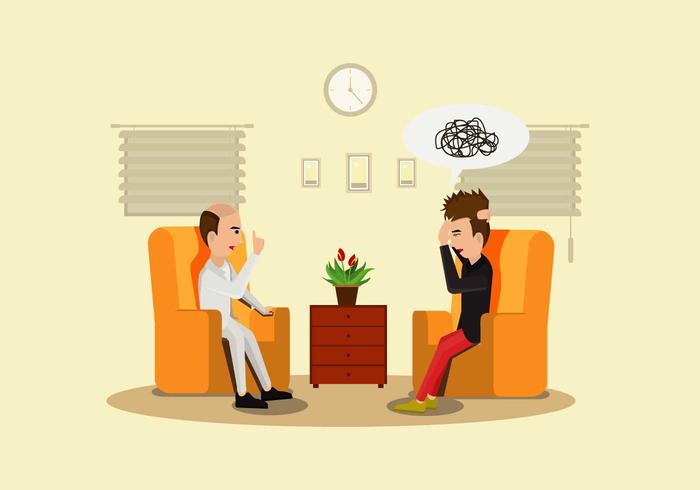
Image Credit:blogs.psychcentral.com
Test Anxiety
"Study for your test on Monday!" the words kids dread hearing - having a test. All schools give their students tests at some point. Some students do not worry about a test, or simply do not care. However, most students DO care... a lot.

What is it?
Test Anxiety can be described as feeling pressure and stress about an upcoming quiz, test, exam, etc. Anxiety during a test can affect a students ability to understand the question clearly and influence his/her ability to do well. Students who suffer test anxiety often do worse on their tests rather than those who don't develop anxiety. Test anxiety is on the rise, as students are feeling more and more pressure by their parents or teachers. Negative thoughts can arise, such as "If I don't do good on this exam I will never get into my dream college."

What does it entail? 
Test anxiety can bring about many symptoms. Some include the feeling of "butterflies," stomachache, headache, feeling shaky, sweating, etc. Some might even feel the need to throw up or pass out. These reactions are caused by the hormone adrenaline which is produced by the body's sympathetic nervous system or otherwise known as the body's "Fight or Flight" response.  These feelings/symptoms can be mild or intense.  Negative thoughts also bring more test anxiety. Going into the test with a bad mindset does not allow for retention of the questions. Instead of focusing on the material learned, students suffering test anxiety instead focus on the thought that "What if I forget everything?" These troubling thoughts then causes them to be too concerned with the idea of doing poorly that they actually in fact do as bad as they predicted. (Most of the time)

Ways to Help with Test Anxiety

Prepare yourself. Study farther in advance. Don't cram all at once the night before the test or exam. Study little amounts at a time, but over a longer period of time. Don't study longer than 2 hours at one sitting. Too much information can put your brain on overload. Seeing the material a little bit everyday will stick in your mind much better than looking at it all at once the day before the test.

Confidence. Tell yourself that you CAN do it. Go into the test knowing that you can get the score you want. Going into the test with a negative mindset will more than likely effect your ability to do well. Remind yourself that you can do anything, and you are cable of getting the grades you desire. Reward yourself after the test whether you think you did good or bad.

Ask for help.  If your test anxiety is taking over completely, ask for help. Talk to a counselor, teacher, or parent. Let them know that your test taking abilities are unmanageable and see what your resources can do for you. If needed, get a tutor.

Accept your mistakes.  Know that everyone is not perfect. Mistakes will be made, and that's okay. No one is expected to get 100% on every test they've ever taken. Being too hard on yourself can bring you down, so lighten up and remember that one bad test score won't determine your future. You can always learn from your mistakes which can help you do better in the future.

Keep your health in mind. It's important to keep yourself healthy. It can be easy to forget eating or sleeping when studying for a test or exam. Remember you need sleep. Get enough rest before the test and this can enhance your performance. Eating is essential as well. Don't skip breakfast before an important test or exam - your brain needs it. Don't let studying or worrying about an exam control you. Do breathing exercises before the test to calm yourself down.

Know that you have everything in you to do well!!!!!

Through this particular blog post, I have learned that there are ways to overcome or help with test anxiety and that it's totally normal. Test anxiety stems from psychology as it all deals with the mind and the way we think. I learned this information through research and personal experience with having some test anxiety, as well as my PSY 101 class. I think it's important for people with intense test anxiety to know that there are resources out there to help cope with it.


D'Arcy Lyness. "Test Anxiety" The Nemours Foundation.  http://kidshealth.org/en/teens/test-anxiety.html#. July 2013. Accessed 30, Septemeber 2017.


Laura Nicholson. "Stressed out: the psychological effects of tests on primary school children." the conversation http://theconversation.com/stressed-out-the-psychological-effects-of-tests-on-primary-school-children-58913. 9, May. 2016. Accessed 30, Sept. 2017.

Friday, September 29, 2017

Different Learning Styles

By: Liz

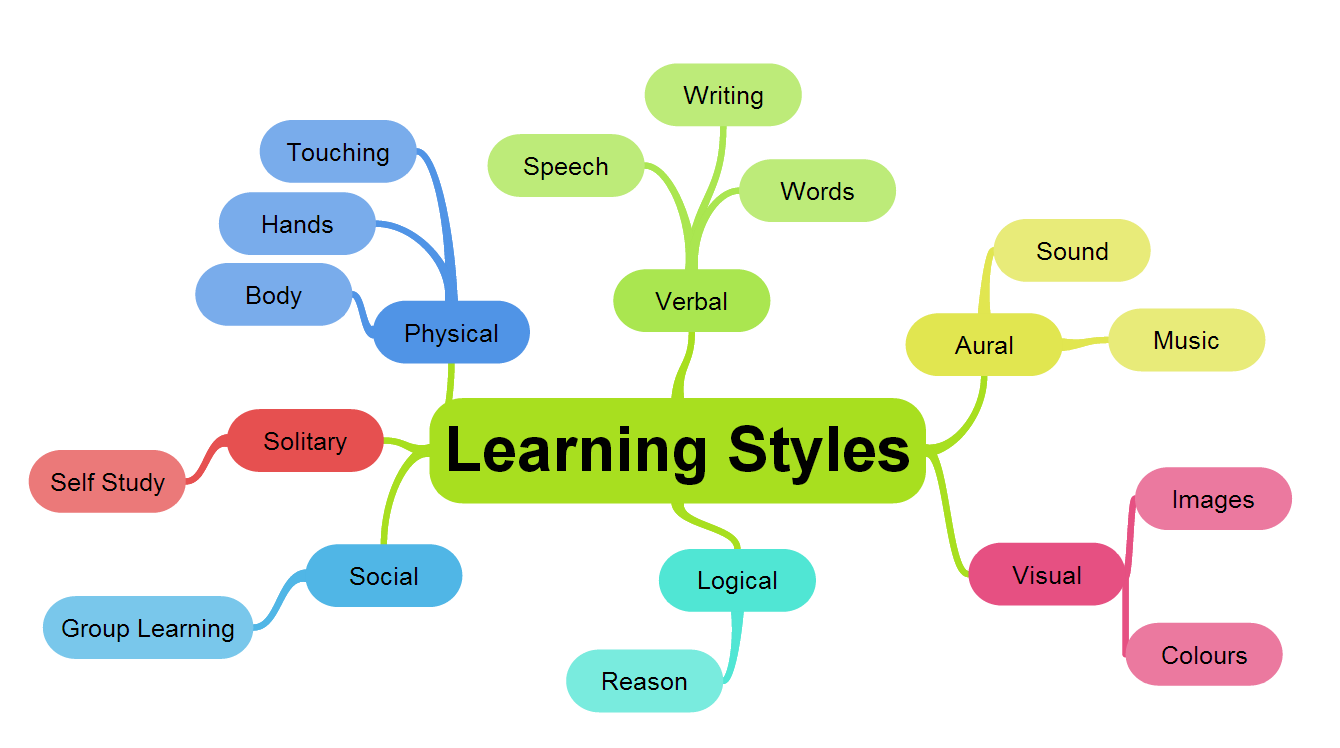
Everyone is different. Kids are all different. Most important thing to keep in mind when with a group of kids, as a teacher, is that kids all learn at different paste, in different times. Having had said that, also keep in mind the reason being is because kids also learn in different ways. There is 7 different ways someone can learn:
·         Visual
·         Physical
·         Aural
·         Verbal
·         Logical
·         Social
·         Solitary
https://www.goconqr.com/en/examtime/blog/how-to-get-the-most-out-of-your-learning-style

As a teacher, it is very important to always remind yourself of that. To realize that some students will need more help than others. Keep in mind that there are ways to react and act towards your kids. As your students, they are your responsibility. Your kids. As teachers, we should know not to leave any kids behind, or allow them to feel lost. We must sometimes take some of our personal time, to be sure every one of your kids are all on the same page.

Remember sometimes you must go a little extra and teach the same thing over and over again. Sometimes you must have the same objective, but different styles of going over it. Kids all learn in different ways, because remember there is 7 different ways a person can learn. Keeping this in mind don’t be too sure all 30 of your students will always stay on the same boat. However, that is part of your job, so take care of that. Make sure you meet all of your student’s needs, because that is your job.
work cited: 
https://www.learndash.com/7-major-learning-styles-which-one-is-you/
https://www.edweek.org/tm/articles/2012/04/24/tln_wasserman_strategies.html

Saturday, September 23, 2017

Prompt #2

In the big field of psychology, it is a must that the field maintains a valuable image and reputation for those working in it. Being a professional in one of the many jobs would mean that you hold a large amount of power and responsibility that comes with it. In order to simplify and enforce beliefs, values, and ideas with everyone involved, professionals in the study have came up with a code of ethical principles for the field of psychologists.


Photo: Barrett Values Centre 

Compared to my personal ethics, they are more concrete and dispersed but cover the same topics. Reading the "Ethical Principles of Psychologists and Code of Conduct", they express the strive of putting their own personal beliefs aside and establishing an awareness of other people, and the possible effects that they themselves can do onto others. Out of any fields ethical principles I've seen, this one represents themselves as the most understanding and charitable, as they almost have to work seriously with other people, the risk of putting those in harm is too easy to do. One principle from the website that stuck out to me was the promotion of accuracy and truth in science, teaching, and psychology. Professionals recognize the misrepresentation of their field so much that it has become a principle of promotion in their codes, so how do others perceive psychologists?

In terms of the general public, people do believe that psychologists follow these ethics. They are perceived as high-value workers because they are, they work with people's troubles and ultimately observe their thoughts and actions, and seek for a way to "fix" or "build" themselves. The representation in media also helps out with this as it isn't always shown as inaccurate, just satirical. The media promotes the importance and benefits of psychologists as articles and news give the evidential science behind it.

Photo: Vecteezy

The representation psychologists make of themselves nearly reflects the code of ethics they follow in their professional field. They believe in respecting the rights of an individuals privacy, confidentiality, and differences. They believe in taking precautions to ensure that their own personal biases don't limit their experience or lead to unjust practices. And most of it is accurately represented in media, not even touching all the principles they have to follow. As other fields have a bad perception, psychologists persist in making sure that their field is not, and the ethics they follow reflect their good perception as they carry a concrete principle of ethics.

by Lucas W.

Saturday, September 16, 2017

Tics and Bad Habits

Almost every person has a tic, a considered bad habit of head-scratching, nail-biting, hair-twisting or any other repetitive behavior. Most are un-noticeable and come and go before you can even recognize them as action, others are annoying and can be distracting to the actor or others nearby. We usually just accept our tendencies, but there is a science behind them, the "why" of what we do.

Photo: Resourceaholic

Experts call them "un-voluntary", as in once you are aware of the action you may stop at will, but as time passes on the tendency will spawn again. Diving into the science behind this, we find that most unwanted, repetitive actions come from the basal ganglia region of the brain, not fully understood but is known as the house of motor control. Knowing that, we know that it is more than just a tendency, but it is biological. The theory behind it is when a situation is frustrating or stressful, the basal ganglia picks a motor habit as a substitute. The substitute, or tic may also be associated with an award as a stress-reliever, satisfaction or distraction. The point it you do not need to consciously use energy towards it, it is a habit after all.

"Most repetitive behaviors, regardless of etiology begin in childhood. The immature brain, unable to recognize and process emotions as an adult does, resorts to motor activity to cope" (NYTimes). That is why we own the same old physical tics and habits we were introduced to as a child. The behaviors persist through time, we as people just learn how to have better control of it, or push it to the side. To say that it is an disease is an over-statement, but breaking the bounds of the behavior would take time of awareness and a substitute for the action. Gladly, many don't see their tics and as a bad tendency, only as it becomes so aware and irritating is when people seek for help, ironically demanding for a substitute as the erratic behavior is so automatic in their lives.

by Lucas W.

Works Cited:

Murphy, Kate. "Are You a Hair-Twirler, Nail-Biter or Knuckle-Cracker?" New York Times. 14 Sept 2017. https://www.nytimes.com/2017/09/14/well/live/are-you-a-hair-twirler-nail-biter-or-knuckle-cracker.html?rref=collection%2Fbyline%2Fkate-murphy&action=click&contentCollection=undefined&region=stream&module=stream_unit&version=latest&contentPlacement=1&pgtype=collection


Friday, September 15, 2017

Teachers are Unappreciated

By:Liz
There are many jobs to pick from, many careers that can be studied, and many people who play important roles in this world. It’s sad how many important roles are not acknowledged, appreciated, or are looked down to. This ties to the reasons jobs having low salaries. Which is why protesting of the salaries kick in causing many issue with them as the article says shutting down schools. Therefore, I honestly believe teaching falls under those jobs.
Even though it is not acknowledge often and people think “you are going to be just a teacher”. I know that teachers play huge roles in their student’s lives. I am aware that there is people who use their power for bad however there is many good teachers as well. The title ‘teacher’ comes with a lot of power that comes but there are many people who use it for good.
As a teacher, specially when it comes to teaching little kids, being the adult in their life means a lot. They look up to you, and they will trust people knowing no better. Which is why there is a lot of pressure on being the adult in the room. Kids won’t separate their school lives with their life in general, so things like this will make huge impacts on them.  
Teachers are not just any adult in a kid's life but a huge impact!

https://blog.difflearn.com/tag/schools/

work cited: 

How Students Learn Best

By LaRyia Ferrie

 A teachers goal is to engage his/her students so they can fully grasp what they are learning. All teachers want their students to focus on the task at hand and understand what the teacher is explaining. Teachers sometimes find it difficult to keep their students aware of the task. Messy assignments, or poor grades on a topic that a teacher thoroughly explained can be frustrating.

Rebecca Abler, a former teacher states five practices to help keep kids involved in the classroom in her research article.

1. Teacher Clarity
     Provide the purpose, clarity, criteria, and goals when introducing a new topic to the classroom. Show examples of the end result so the students have clear understanding of what they are doing.

2. Classroom Discussion
     Teachers should step away from lecturing the whole class period and ask questions. Allowing discussion among the kids helps them to learn from each other. It also gives the teacher an opportunity to observe how well the kids are grasping the content.

3. Feedback
     Teachers should have students provide feedback so he/she knows what they are doing well and not well. This allows teachers to adjust their teaching habits and styles to best fit their students.

4. Formative Assessments
     To be able to give students proper feedback, teachers should frequently assign end product assessments in relation to what they were learning about. This will not only give feedback to teachers but students also so they know how well they understood the content.

5. Metacognitive Strategies
     Research proves that metacognition can be taught. Student's should be able to plan, organize, and think about their own thoughts to self reflect while doing a task. Student ownership will increase when teachers give time to their students to think.

Learning is better understood when the teacher uses helpful tips to get their students involved in understanding the topic.  All of these tips given by Rebecca Alber should work for teachers wanting to better their students. From personal experience, class discussion greatly helps me to focus and get advice from other peers to have knowledge on what we are working on. Being told exactly what we are doing and see examples is another way for me to understand more clearly as well. I think these teaching tasks works well for all ages as most of them have helped engage me. I learned this information through research, and noticing a teachers frustration when dealing with students listening. Through this learning, I think student's should be more respectful and pay attention because it can be annoying for a teacher to have to repeat things over and over.

Alber, Rebecca. "5 Highly Effective Teaching Practices." www.edutopia.org 27 Feb. 2015. Web 15 Sep.2017


Image Credit: districtadministration.com

Prompt #5

I am the secretary for a student organization on campus that's called Pencils of Promise @ Michigan State University. The main Pencils of Promise group was founded by Adam Braun in 2008. It all started when he was visiting India: While walking through the streets of a village, he ran into a boy and asked him what he would want if he could have anything in the world, in which he replied with "A pencil." This started a non-profit organization which has built 429 schools to date in Ghana, Laos, Nicaragua, and Guatemala. All 429 teach a total of 74,503 students (as of December 31, 2016) and are all still in service. The group also goes towards improving sanitation in these schools and giving financial aid to students so they can get a further education. Celebrities such as Justin Bieber and DJ 3LAU have helped in spreading awareness to the group and fundraising.

Credit to: Pencils of Promise

Our group at Michigan State leans more on volunteering, but we also occasionally fundraise. We regularly volunteer at the Boys and Girls Club in downtown Lansing and tutor younger students. For the fundraising side, we have monthly fundraisers at restaurants off-campus, such as Chipotle, Tropical Smoothie, and Jersey Mike's Subs. In the spring, we had our first annual 5K run/walk on campus, which was a huge success. We have had local organizations reach out to us for promotions and giving informational pamphlets on how we can gain popularity through them. This group was started three semesters ago and is gaining popularity around campus. 100% of the money we raise is put in our private fund which will go towards building a school. Having a school "Built by donors from Michigan State University" is our goal, as we believe every child deserves access to an education, regardless of gender, sexual orientation, race, or age, and this is our attempt to say that we accomplished that.

* Stats credited to Pencils of Promise *

Written by: Joe

Synthesis Post

By: Laryia, Liz, Joe, and Lucas Photo Credit: GoodTherapy.org The fields of education and psychology are two very important subject...